

What Is the Treatment for Rheumatoid Arthritis? A Complete Guide

Rheumatoid arthritis (RA) is a chronic autoimmune condition that causes the body’s immune system to mistakenly attack the joints. Unlike simple wear-and-tear arthritis, RA leads to inflammation, stiffness, swelling, and pain that can significantly affect daily life. Over time, if untreated, it may also cause joint damage and disability. The good news is that while there is no cure yet, effective treatments exist to control symptoms, slow the disease’s progression, and help patients lead active lives.

Understanding Rheumatoid Arthritis

Rheumatoid arthritis is different from other joint problems because it’s an autoimmune disorder. The body’s immune system, instead of protecting against infection, targets the lining of the joints (synovium). This causes chronic inflammation, which eventually damages cartilage and bone.

RA often affects multiple joints at the same time commonly the hands, wrists, knees, and ankles. The condition may also affect other systems of the body, including the eyes, skin, and even the heart. Because it’s systemic, treatment goes beyond just easing joint pain.

Medications for RA Management

One of the main approaches to treating RA is medication. Doctors usually prescribe disease-modifying antirheumatic drugs (DMARDs). These medicines slow the progression of the disease and prevent joint damage. Methotrexate is one of the most common DMARDs used.

In addition to DMARDs, biologic agents are often prescribed for more advanced cases. These targeted drugs block specific parts of the immune system responsible for inflammation. While highly effective, they require close medical supervision due to potential side effects.

Pain Relief and Anti-Inflammatory Options

To manage everyday pain, patients are often given nonsteroidal anti-inflammatory drugs (NSAIDs) such as ibuprofen. Corticosteroids may also be used to reduce inflammation quickly, though they’re usually prescribed for short periods to avoid long-term side effects.

These medications don’t stop the disease but make symptoms more manageable. They are often combined with DMARDs or biologics to create a balanced treatment plan that addresses both pain and disease progression.

Physical Therapy and Exercise

Alongside medication, physical therapy plays a vital role in RA treatment. Gentle exercises help maintain flexibility, strengthen muscles around the joints, and reduce stiffness. Regular activity can also boost energy levels and improve overall well-being.

Therapists often recommend low-impact exercises like swimming, walking, or yoga. These activities put less strain on the joints while keeping the body active. A personalized exercise plan ensures patients remain mobile without risking additional joint stress.

Lifestyle Adjustments for Better Management

Lifestyle changes can make a significant difference in living with RA. A balanced diet rich in anti-inflammatory foods such as fruits, vegetables, whole grains, and omega-3 fatty acids can help manage symptoms. Maintaining a healthy weight reduces pressure on joints, especially the knees and hips.

Stress management is also key. Since RA is a long-term condition, stress can worsen inflammation and trigger flare-ups. Relaxation techniques like meditation, deep breathing, or simply getting adequate sleep can help patients cope better with the disease.

Surgical Options for Severe Cases

In advanced stages of RA, when joints are severely damaged, surgery may become necessary. Options include joint replacement (such as knee or hip replacement), tendon repair, or joint fusion to restore mobility and reduce pain.

Surgery is typically considered a last resort when other treatments no longer provide relief. With modern medical advancements, however, surgical outcomes have greatly improved, allowing patients to regain independence and function.

Conclusion

Rheumatoid arthritis may not have a cure, but with proper treatment, it can be managed effectively. A combination of medications, physical therapy, lifestyle changes, and in some cases, surgery, helps patients live full and active lives.

The key to managing RA is early diagnosis and consistent treatment. By working closely with healthcare providers and adopting healthy habits, people with rheumatoid arthritis can reduce pain, prevent joint damage, and improve their quality of life.
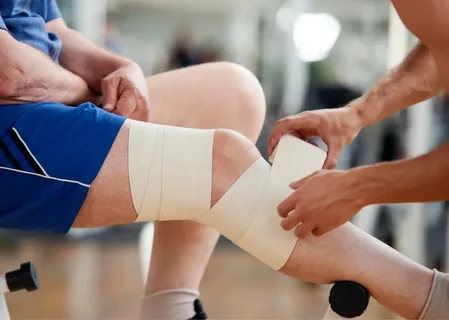
How to Avoid Sports Injuries: Expert Tips for Safe Training

Sports and physical activity are excellent for maintaining health, boosting energy, and improving overall well-being. However, one of the biggest risks athletes and fitness enthusiasts face is injury. Sports injuries can range from minor sprains to serious fractures or muscle tears that take months to heal. The good news is that most of these injuries are preventable with the right practices. Knowing how to avoid sports injuries not only helps you stay active but also ensures long-term performance and enjoyment.

The Importance of Warm-Up and Stretching

One of the most overlooked yet crucial steps in preventing sports injuries is warming up properly. A good warm-up increases blood flow to the muscles, improves flexibility, and prepares the body for physical exertion. Without it, you risk sudden strains or sprains as your body isn’t ready for intense movement.

Stretching is equally important. Dynamic stretches before activity help loosen the muscles and improve range of motion, while static stretches after activity help reduce stiffness and speed up recovery. Together, warming up and stretching create the foundation for injury-free sports.

Using Proper Technique and Equipment

Many sports injuries happen because of poor technique. Whether it’s incorrect posture in weightlifting or bad form in running, improper movement puts unnecessary strain on muscles and joints. Learning the right technique, often with the help of a coach or trainer, significantly lowers the risk of injury.

The equipment you use also matters. Wearing the right shoes for running or the proper protective gear in contact sports provides extra support and safety. Even small details like using a racket of the right size or adjusting bicycle seats can make a big difference in preventing strain and injury.

The Role of Rest and Recovery

Overtraining is one of the biggest causes of sports injuries. Pushing the body beyond its limits without giving it time to recover leads to fatigue, reduced performance, and a higher risk of injury. Rest days are just as important as training days because they allow muscles and joints to repair and strengthen.

Sleep is another key factor in recovery. Quality sleep helps the body restore energy, repair tissues, and regulate hormones essential for muscle growth and healing. Skipping rest and recovery can turn small aches into serious injuries that require long-term treatment.

Building Strength and Flexibility

Strong muscles and flexible joints are less likely to get injured. Incorporating strength training into your routine improves muscle balance and stability, reducing the risk of strains or ligament injuries. Core strengthening exercises, in particular, provide better support for the entire body.

Flexibility training, such as yoga or targeted stretching, keeps muscles supple and joints mobile. A body that is both strong and flexible adapts better to sudden movements, awkward positions, or unexpected impacts during sports.

Listening to Your Body

Your body often gives warning signs before an injury happens. Persistent soreness, fatigue, or sharp pain should not be ignored. Many athletes push through discomfort, thinking it’s a sign of strength, but this often leads to serious injuries.

Learning to differentiate between normal post-exercise soreness and injury-related pain is crucial. If something doesn’t feel right, taking a break and consulting a healthcare professional can save you from weeks or months of recovery later.

Lifestyle Habits That Prevent Injuries

Injury prevention isn’t just about training; it’s also about lifestyle. A balanced diet rich in protein, vitamins, and minerals keeps your muscles and bones strong. Staying hydrated prevents muscle cramps and supports overall performance.

Consistency in exercise also matters. Sudden increases in intensity or duration put stress on the body, while gradual progression allows your system to adapt safely. Maintaining a healthy lifestyle ensures your body is always prepared for the demands of sports.

Conclusion

Sports injuries can be discouraging, but the majority of them are preventable with the right approach. Warming up, practicing proper technique, taking rest seriously, and maintaining strength and flexibility are the keys to staying injury-free.

Ultimately, the best way to avoid sports injuries is to respect your body’s limits and take proactive steps to protect it. With smart preparation and consistent care, you can enjoy sports with confidence, knowing you’re doing everything possible to stay safe and active.

What Is a Musculoskeletal Injury? Causes, Symptoms & Treatment

Musculoskeletal injuries are among the most common health issues faced by athletes, workers, and even people with sedentary lifestyles. These injuries affect the muscles, bones, joints, ligaments, and tendons essentially the framework that supports movement in the human body. Understanding what musculoskeletal injuries are, their causes, and their impact can help you recognize them early and take steps to manage or prevent them.

Definition of a Musculoskeletal Injury

A musculoskeletal injury is any condition that damages the soft tissues, bones, or joints. It can range from a simple muscle strain to complex fractures and chronic disorders like tendonitis. These injuries disrupt normal movement, cause pain, and often require rest or medical care.

Unlike common soreness after exercise, musculoskeletal injuries involve actual tissue damage. They may occur suddenly, such as a sprained ankle during sports, or develop gradually due to repetitive stress, poor posture, or overuse.

Common Causes of Musculoskeletal Injuries

One of the leading causes of musculoskeletal injuries is physical activity, especially sports. High-intensity training, poor technique, or lack of warm-up can lead to strains, sprains, or fractures. Athletes are particularly vulnerable because of the repetitive stress placed on their bodies.

Outside sports, musculoskeletal injuries also occur due to workplace strain, heavy lifting, accidents, or even prolonged sitting with bad posture. Modern lifestyles, where people spend hours on computers or smartphones, are increasingly contributing to these injuries.

Types of Musculoskeletal Injuries

There are many different kinds of musculoskeletal injuries. Muscle strains and ligament sprains are the most common, often caused by overstretching or sudden movements. Tendon injuries, such as tendonitis, result from repetitive motion or overuse.

More severe cases include fractures, dislocations, and cartilage damage. Chronic conditions like arthritis also fall under musculoskeletal disorders, as they affect the long-term health of bones and joints. Each type requires different management and recovery strategies.

Symptoms to Watch Out For

The symptoms of musculoskeletal injuries vary, but pain is the most common. This can be sharp and sudden, or dull and persistent depending on the injury. Swelling, bruising, and stiffness are also typical signs.

Limited movement or weakness in the affected area is another red flag. If you find it difficult to carry out normal activities, such as walking, lifting, or bending, it may indicate a more serious musculoskeletal injury that requires professional attention.

How These Injuries Are Diagnosed

Doctors usually begin diagnosis with a physical examination and a review of your medical history. In many cases, imaging tests like X-rays, MRI scans, or ultrasounds are used to identify the extent of damage.

For sports-related injuries, physiotherapists often conduct functional tests to assess strength, flexibility, and mobility. Early diagnosis not only speeds up treatment but also prevents the condition from worsening.

Impact on Daily Life

Musculoskeletal injuries can significantly affect your quality of life. They often lead to missed workdays, limited physical activity, and even long-term disabilities if untreated. Athletes may face setbacks in training and competition, while workers may struggle with tasks requiring physical effort.

Beyond the physical toll, these injuries can also cause emotional stress and frustration. The inability to move freely or perform daily tasks often impacts mental well-being, highlighting the importance of early treatment and recovery.

Conclusion

A musculoskeletal injury is more than just body pain it’s a condition that affects the very structure that allows us to move and live actively. From sports accidents to workplace strain, these injuries come in many forms and should never be ignored.

By recognizing the causes, symptoms, and impact, you can take proactive steps to prevent and manage them. Whether through safe exercise practices, better posture, or timely medical care, protecting your musculoskeletal health is essential for a strong and active life.

Call Now